9 dicembre forconi: SEC
Visualizzazione post con etichetta SEC. Mostra tutti i post

venerdì 29 marzo 2019

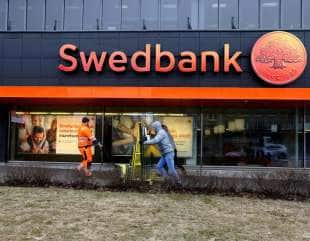
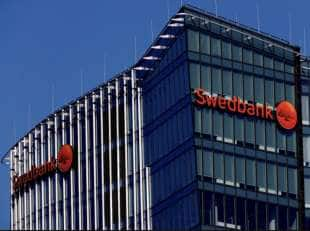
SVEZIA: RICICLAGGIO RECORD PER SWEDBANK, FRODE DA 135 MILIARDI DI EURO TRA SOLDI DEGLI OLIGARCHI RUSSI E CRIMINALI VARI

LO SCANDALO EMERGE NON DA UN'INCHIESTA DEI MAGISTRATI LOCALI, MA DAL DIPARTIMENTO DI GIUSTIZIA AMERICANO E DELLA SEC, CHE HANNO SCOPERCHIATO UN ''GROVIGLIO INCESTUOSO'' TRA FINANZA, POLITICA E SOCIETÀ SVEDESE. 

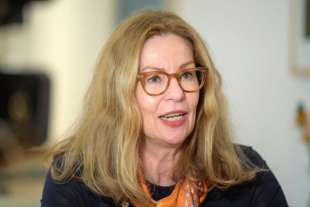
LICENZIATA IN TRONCO LA CEO

Mario Ajello e Andrea Bassi per “il Messaggero

swedbankSWEDBANK
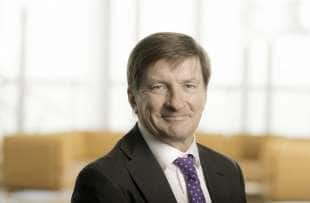
Si considerano un Paese al di sopra di ogni sospetto, dalla reputazione inattaccabile. Si percepiscono come la nazione della trasparenza economica e finanziaria. Eppure il presidente del consiglio di amministrazione di Swedbank, Lars Idermark, che ieri ha licenziato su due piedi l' amministratore delegato della banca Brigitte Bonnesen, ha candidamente ammesso davanti alle incalzanti domande della stampa, che in quindici giorni, non ha trovato nemmeno un minuto di tempo per dare un' occhiata a un documento importante: «Non ho letto quel rapporto», ammette Idermark.

Sono le pagine - sconosciute al pubblico da molto tempo, ma rese note dalla stampa quindici giorni fa - che stanno terremotando una delle maggiori banche svedesi e mettendo a nudo la natura oligarchica e il sistema da consorteria che dominano il mondo della finanza di quel Paese. Una terra in cui, a dispetto delle apparenze, e di una presunta correttezza, tutto è nascosto e così deve restare. Proprio come racconta questa storia.
swedbankSWEDBANK

IL DOSSIER SEGRETO
La vicenda è venuta alla luce, non da un' indagine della magistratura locale, ma da un' inchiesta del Dipartimento della giustizia degli Stati Uniti e dalla Sec. Riguarda la più grande operazione di riciclaggio mai registrata in Europa: 135 miliardi di euro. L' accusa è di frode aggravata e di insider trading. Il ceo Bonnesen di Swedbank ieri è stata licenziata in seguito al raid della polizia nella sede centrale dell' istituto. Un sistema venuto alla luce solo per il pressing americano. Le autorità svedesi, come da consuetudine, a dispetto del mito della trasparenza, si erano chiuse a riccio.

birgitte bonnesen di swedbankBIRGITTE BONNESEN DI SWEDBANK
Louise Brown, portavoce di Trasparency International, ha sottolineato come «in un Paese piccolo come la Svezia, i legami stretti tra le alte sfere della finanza fanno da muro a qualsiasi critica e tentativo di fare chiarezza». La polvere, insomma, va ben tenuta sotto il tappeto. La controprova è che il direttore generale dell' Autorità di controllo, che avrebbe dovuto indagare sullo scandalo, Erik Thedeen, ha dovuto lasciare il dossier al suo vice a causa dei suoi stretti legami di amicizia con il direttore generale della Swedbank.

AUTOINDULGENZA
Questa vicenda di massiccio riciclaggio di denaro russo nei paesi baltici è collegata allo scandalo gemello di Danske Bank, accusata a sua volta dello stesso reato, dopo che nelle filiali in Estonia sono venute alla luce operazioni sospette per 230 miliardi di dollari. Swedbank, secondo gli inquirenti, sarebbe un «canale per ripulire capitali di alcuni fra gli uomini più potenti dell' ex Unione Sovietica, tra cui il deposto presidente dell' Ucraina: Viktor Yanukovich. Ma lo scandalo con epicentro Stoccolma sta diventando un intrigo transoceanico.

Secondo il canale della televisione pubblica Svt, rientrano nell' affaire anche i pagamenti che l' ex presidente ucraino ha fatto nei confronti di Paul Manafort, l' ex responsabile della campagna elettorale di Donald Trump. Lo scandalo solleva interrogativi non soltanto sul riciclaggio del sistema bancario svedese, ma in generale sulla reputazione di un Paese che, a dispetto dei fatti, si reputa moralmente superiore pur avvalendosi di metodi omertosi, spesso rimproverati a torto ai paesi mediterranei.

swedbankSWEDBANK
Come ammette del resto Per Bolund, il ministro di centro-sinistra delle Finanze. Il quale osserva: «Swedbank avrebbe dovuto cooperare con le Autorità, invece ha fatto esattamente l' opposto, e questo è del tutto inaccettabile. Ha messo a rischio la reputazione della Svezia». Per settimane il ceo Bonnesen ha negato, mentendo, qualsiasi tipo di analogia e di parentela tra questo scandalo e quello della danese Danske. Le autorità americane si erano messe in moto dopo che dai Panama Papers dello studio Mossad Fonseca, era emerso il coinvolgimento di una serie di banche nordiche.
Ma tra queste la Swedbank aveva provato a minimizzare il proprio coinvolgimento, dicendo che si trattava di poche decine di conti e tutti afferenti a cittadini svedesi. Salvo poi dover impattare con la realtà di centinaia di conti movimentati da cittadini russi. Un tentativo di mettersi al riparo nella speranza di non essere investiti dalla bufera.
Proprio mentre le Autorità degli altri Paesi coinvolti si attivavano per fare luce sulla vicenda.

Ma le Autorità di regolamentazione svedesi, come ha sostenuto ieri anche il Financial Times, «sono troppo indulgenti».

STA SUCCEDENDO UN GRAN CASINO CON LA SWEDBANK, LA BANCA COINVOLTA NELLO SCANDALO RICICLAGGIO PER 135 MILIARDI DI EURO E PROTETTA DAL MINISTERO DELLA GIUSTIZIA 
L’ISTITUTO HA OCCULTATO PER SETTIMANE IL DOSSIER CHE DOVREBBE FARE CHIAREZZA E ORA PURE L’AGENZIA GOVERNATIVA CHE DOVREBBE INDAGARE SE NE LAVA LE MANI 
I LEGAMI DELLE BANCHE DEL NORD CON I RUSSI

SWEDBANK, PROVE CENSURATE E IL GOVERNO FERMA L' INCHIESTA
Mario Ajello e Andrea Bassi per “il Messaggero”
Montesquieu, il grande teorico dell' Esprit des lois, incentrato sul rispetto delle leggi, delle autorità e della divisione dei poteri, non aveva un buon concetto della Svezia. La vedeva somigliante «a un fiume di cui si tagliassero le acque alla sorgente, mentre vengono sviate dal suo corso». Insomma, come un posto arido e non costruttivo.
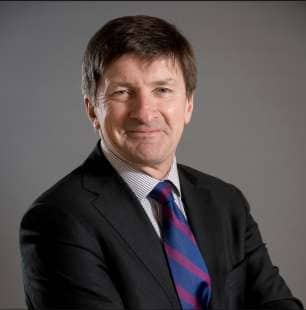
lars idermark presidente swedbank 1LARS IDERMARK PRESIDENTE SWEDBANK
Oggi il padre del liberalismo troverebbe sostegno nel suo giudizio, di fronte al potere bancario di quel Paese che sta facendo di tutto per impedire che il potere giudiziario cerchi di fare luce nel mega scandalo dei 135 miliardi di euro riciclati attraverso i conti dela Swedbank. E che cosa direbbe Montesquieu, così affezionato all' equilibrio dei poteri, davanti alla Sweden' s Economic Crime Authority - l' Agenzia del ministero della giustizia il cui ruolo è indagare e perseguire i reati finanziari - che si sta lavando le mani riguardo al sospetto di maxi riciclaggio da parte di uno dei più importanti istituti di credito svedesi?

IL DOSSIER NASCOSTO
Per giorni, tutti i media nazionali e internazionali sono rimasti appesi in attesa di una decisione dell' Agenzia governativa. Dopo che la banca aveva occultato per settimane il dossier-verità, rimasto intonso sulla scrivania del presidente Lars Idermark - «non ho trovato il tempo per leggerlo» - e che successivamente al licenziamento in tronco dell' amministratore delegato Brigitte Bonnesen, è finito nell' occhio del ciclone e giovedì potrebbe essere a sua volta dimissionato.
swedbank 1SWEDBANK

Ebbene il braccio investigativo del ministero della giustizia si è trincerato dietro un alibi a dir poco fragile. Ovvero: «I fatti della Swedbank», spiegano all' Agenzia, «sono avvenuti prima del 2014, quando ancora non era in vigore la legge restrittiva sull' antiriciclaggio».

Il che significa allontanare lo scandalo dalle proprie competenze e non voler approfondire. E mentre il governo chiude gli occhi, la magistratura è costretta ad arretrare dal muro eretto dalla banca a protezione dei propri confini. Invalicabili.
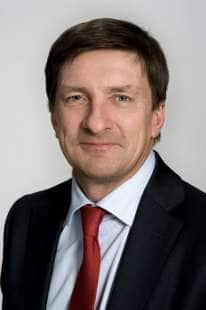
lars idermark presidente swedbank 2LARS IDERMARK PRESIDENTE SWEDBANK

Il procuratore capo svedese per le questioni finanziarie, Thomas Langrot, ha accusato Swedbank nei giorni scorsi anzitutto di aver bloccato la polizia, quando ha fatto irruzione nel quartier generale dell' istituto a caccia di documenti sulla frode multi miliardaria. Il procuratore ha anche sostenuto che il board di Swedbank, si è rifiutato di consegnare proprio il rapporto sulle presunte violazioni nei conti riguardanti cittadini dei Paesi dell' est nelle filiali baltiche della banca.

«Non mi è mai capitato che una banca o un altro attore nei mercati finanziari - spiega Langrot - si sia opposto all' accesso a documenti o a informazioni necessarie per le nostre indagini». Gli avvocati della banca si sono appellati al segreto professionale, sostenendo che quei documenti rientravano nella sfera confidenziale della difesa.

Di fatto, come scrive la stampa internazionale a cominciare dal Financial Times, «una vera e propria guerra di parole è scoppiata tra i procuratori svedesi e Swedbank, aumentando ulteriormente la pressione sul più grande istituto di credito dei Paesi baltici per lo scandalo del riciclaggio». Il muro della banca non è stato, in realtà, eretto soltanto dai top manager. A voltare lo sguardo dall' altra parte sono un po' tutti, compresi i dipendenti. Lo ha ben spiegato l' investitore internazionale Bill Browder, del fondo Hermitage Capital, le cui denunce hanno contribuito a far emergere lo scandalo.

swedbank 2SWEDBANK

LE COMPLICITÀ
«Gli impiegati della Swedbank, che erano responsabili delle relazioni con i clienti - ha scritto Browden nella lettera-denuncia alle autorità svedesi - sono stati reticenti e non hanno provato a fermare le transazioni sospette. In diversi casi, i segnali di pericolo erano chiari e bisogna chiedersi se i dipendenti hanno consapevolmente depistato e se sono stati complici».
swedbank 7SWEDBANK
L' effetto del mega scandalo è stato, per ora, la perdita in Borsa del 35 per cento del valore azionario della banca. L' Autorità svedese di sorveglianza finanziaria, che pure sta tentando di indagare sul riciclaggio, ha detto di «non essere preoccupata per la stabilità finanziaria dell' istituto». Il direttore generale dell' organismo, Erik Thedeen, ha detto di essere «in stretto contatto con la banca, nel caso dovessero esserci sviluppi». Una posizione a dir poco attendista, al punto che, l' Autorità di sorveglianza, prevede di arrivare alle prime conclusioni sulla vicenda non prima del prossimo mese di ottobre. Evidentemente a quelle latitudini si ha un senso del tempo estremamente dilatato.

DANSKE BANK, SWEDBANK, ING, CREDIT AGRICOLE E NON SOLO. TUTTI GLI INTRECCI CON LA BANCA PRIVATA RUSSA TROIKA DIALOG SECONDO STRASBURGO
Stefano Masa per www.startmag.it
swedbank 3SWEDBANK
Deplorevole. Questo è il giudizio espresso dal Parlamento europeo nei confronti della lotta al riciclaggio di denaro. Nella sua recente “Relazione sui reati finanziari, l’evasione fiscale e l’elusione fiscale” vengono menzionati i recenti casi che hanno visto alcune banche appartenenti all’Ue in veste di parte attiva al sistema di riciclaggio. Nel documento si rileva come, sia al punto 234 che al 235, l’organo europeo condanna – per ben due volte – tale reato giudicandolo come deplorevole.
lars idermark presidente swedbank 3LARS IDERMARK PRESIDENTE SWEDBANK
Nel 2018 ha tenuto banco il caso della Danske Bank che, attraverso la sua filiale estone, ha registrato un flusso in ingresso e in uscita di operazioni per un valore superiore a 200 miliardi di euro: per molti è stato identificato come un’azione di portata storica per il vecchio continente. Ma la storia ha il proprio corso e, come spesso accade, il presunto traguardo finale rappresenta invece una linea di partenza per una corsa caratterizzata da più ampi orizzonti.
danske bankDANSKE BANK


E così è accaduto e sta accadendo nel corso di quest’anno: nella più recente e attuale rassegna stampa internazionale trova evidenza la Swedbank AB. Non si tratta di una piccola banca che, al fine di poter far quadrare i propri conti, si cimenta in “operazioni border line”. Tutt’altro. È il principale istituto di credito svedese ed è rappresentativo di una realtà molto solida: nei recenti stress test Eba, grazie ai suoi ratio patrimoniali, occupava il terzo posto per “Cet1 – Scenario avverso 2020” sia Fully loaded che Transitional Cet1. Inoltre, nel corso degli ultimi dieci anni, ha registrato una perdita d’esercizio solo nel 2009 (con il paese in recessione) mentre tra il 2011 e il 2018 gli utili sono praticamente raddoppiati.
swedbank 6SWEDBANK
Per la Swedbank i reati sono quello di riciclaggio di denaro, frode aggravata ed insider trading: non trapelano molte indiscrezioni su tali presunte attività poiché, come si sa, la Svezia è riconosciuta per la sua riservatezza talvolta sinonimo di omertà. Tra i fatti più significativi, e degni di cronaca, vi è solo il licenziamento dell’amministratore delegato Birgitte Bonnesen alla vigilia dell’incontro annuale con il proprio (ed ormai ex) consiglio di amministrazione.

Le operazioni sospette riconducibili l’istituto svedese ammonterebbero ad un valore prossimo ai 135 miliardi di euro. Un ulteriore ed ampio filone di riciclaggio dopo quello di Danske Bank.
danske bank 1DANSKE BANK 1
Il Parlamento europeo rende noto come ci sia preoccupazione per quanto accaduto finora. Consultando la suddetta relazione – al punto 235 di quest’ultima – si legge: «Osserva con preoccupazione che il caso “Troika Laundromat” ha anche rivelato pubblicamente come 4,6 miliardi di USD provenienti non solo dalla Russia siano passati attraverso banche e imprese europee; sottolinea che al centro dello scandalo c’è la Troika Dialog, già una delle maggiori banche d’investimento private russe, e la rete che potrebbe aver permesso all’élite russa al potere di usare segretamente i proventi illeciti per acquisire azioni di società statali, acquistare beni immobili sia in Russia che all’estero e beni di lusso; deplora inoltre il fatto che diverse banche europee sarebbero state coinvolte in tali operazioni sospette, ovvero Danske Bank, Swedbank AB, Nordea Bank Abp, ING Groep NV, Credit Agricole SA, Deutsche Bank AG, KBC Group NV, Raiffeisen Bank International AG, ABN Amro Group NV, Cooperatieve Rabobank U.A. e l’unità olandese di Turkiye Garanti Bankasi A.S.”.
birgitte bonnesen di swedbankBIRGITTE BONNESEN DI SWEDBANK

Come appare evidente, l’elenco degli istituti di credito coinvolti in questa “deplorevole azione” è ampio. Da sottolineare inoltre come, gran parte dei soggetti menzionati, non è stato (per ora) oggetto di cronaca finanziaria: probabilmente è per tale motivo la manifesta “preoccupazione” in capo al Parlamento europeo.
danske bank 2DANSKE BANK


Si rimane pertanto in attesa di importanti sviluppi: non solo perché il dossier è ampio, ma soprattutto perché deplorevole.

Fonte: qui

domenica 3 febbraio 2019

PURE GLI STATI UNITI APRONO UN FASCICOLO SUL BOSS RENAULT, CHE PUR DI LASCIARE LA MICRO-CELLA E' DISPOSTO A TUTTO

IL SUO EX DELFINO SAIKAWA, ARTEFICE DEL 'GOLPE' CHE LO HA FATTO TRACOLLARE, HA DICHIARATO A SORPRESA CHE LASCERÀ L'INCARICO UNA VOLTA CHE GLI EQUILIBRI TRA FRANCIA E GIAPPONE SI SARANNO RISTABILITI. OVVERO QUANDO TOKYO PRENDERÀ IL CONTROLLO SU PARIGI
Pierluigi Bonora per “il Giornale

thierry bollore' carlos ghosn 1THIERRY BOLLORE' CARLOS GHOSN
Ai giudici di Tokio, che hanno trascinato in carcere Carlos Ghosn, l' ex numero uno dell' Alleanza Renault-Nissan-Mitsubishi, ora si unisce la Sec, che punta a fare chiarezza sulle retribuzioni che Nissan ha versato all' ex super manager negli Usa.

L' inchiesta, che ha portato all' azzeramento di tutte le cariche di Ghosn in seno all' Alleanza Renault-Nissan-Mitsubishi (ultimo atto le dimissioni dagli incarichi di vertice a Parigi), si allarga dunque anche Oltreoceano. Ghosn è detenuto in Giappone da oltre due mesi con l' accusa di aver mistificato le dichiarazioni finanziarie sulla propria remunerazione, di aver sottostimato di milioni di dollari il proprio compenso e trasferito a società del gruppo le perdite personali.
CARLOS GHOSNCARLOS GHOSN

È dalla chiusura dell' esercizio finanziario 2007 che Nissan non presenta più all' Autorità di Borsa di Wall Street il suo rapporto annuale negli Usa. E ora, sull' onda delle indagini a Tokio, la decisione di accendere anche un suo faro sulla regolarità dei controlli della Casa allo scopo di evitare pagamenti impropri. «Alla Sec abbiamo assicurato la piena collaborazione», ha fatto sapere un portavoce di Nissan.

La notizia che anche negli Stati Uniti si vuole indagare su possibili irregolarità riguardanti l' ex top manager, è arrivata poche ore dopo che Hiroto Saikawa, l' ad della Casa giapponese, ha dichiarato a sorpresa che lascerà l' incarico.
IL CARCERE DI KOSUGE A TOKYO DOVE E RINCHIUSO CARLOS GHOSNIL CARCERE DI KOSUGE A TOKYO DOVE E RINCHIUSO CARLOS GHOSN
Quest' ultimo, ex delfino di Ghosn e, secondo molti, artefice del «golpe» che ha fatto scattare le manette ai polsi dell' ex capo, si farà comunque da parte una volta ristabiliti gli equilibri con Renault e all' interno dell' Alleanza. Ed è chiaro che, in proposito, i giapponesi rivendichino un ruolo di leadership.
jean dominique senard 7JEAN DOMINIQUE SENARD


Saikawa ha comunque accolto bene la nomina del nuovo vertice di Renault, in particolare quella di Jean-Dominique Senard alla presidenza, il suo interlocutore diretto con un' importante esperienza globale alla guida di Michelin. Resta da vedere se il faro acceso negli Usa dalla Sec porterà a nuovi sviluppi e inaspettati colpi di scena.

Il piano d' azione dell' Alleanza Renault-Nissan-Mitsubishi prevede che nel 2022 le vendite globali di veicoli raggiungano quota 14 milioni (da 10,6 milioni del 2017). Quattro piattaforme comuni daranno vita a 9 milioni di queste vetture. Le sinergie sono, infatti, il punto di forza dell' Alleanza che nel 2017 è riuscita a conquistare la vetta mondiale tra i produttori.

HIROTO SAIKAWAHIROTO SAIKAWA
Dalla piccola cella nella quale è rinchiuso da più di due mesi, a Tokio, Ghosn afferma di «non vedere l' ora di difendere pubblicamente la sua reputazione». Pur di lasciare la prigione, Ghosn si era detto disposto, attraverso i suoi legali, a pagare qualsiasi cauzione i giudici avessero richiesto. Ma non è bastato, come anche le proposte di farsi applicare una cavigliera elettronica, affinché fosse continuamente sotto controllo, e di risiedere in un appartamento a Tokio, sempre sorvegliato da un servizio di sicurezza.

L' ex top manager, a questo punto, visto l' inserimento della Sec nelle indagini, sembra essere destinato a restare in cella ancora per lungo tempo prima che si arrivi a una sentenza.

Fonte: qui

martedì 17 ottobre 2017

Black Monday 2.0: The Next Machine-Driven Meltdown

In the rise of computer-driven trading, some hear echoes of the stock market’s 1987 crash. Beware the feedback loop...
Black Monday. Although the event to which those two words refer occurred 30 years ago, they still carry the weight of that day—Oct. 19, 1987—when the Dow Jones Industrial Average shed nearly a quarter of its value in wave after wave of selling.
No one in living memory had seen anything like it, at least not in the U.S., and in the postmortems conducted to understand just how the Dow managed to drop 508 points in one day, experts found a culprit: so-called portfolio insurance, a quantitative tool designed to use futures contracts to protect against market losses. Instead, it created a poisonous feedback loop, as automated selling begat more of the same.
Since that day, markets have rallied and markets have tumbled, and still we marvel at the unintended consequences of what, in hindsight, was an obviously misguided strategy.
Yet in the ensuing years, market participants have come to rely increasingly on computers to run quantitative, rules-based systems known as algorithms to pick stocks, mitigate risk, place trades, bet on volatility, and much more - and they bear a resemblance to those blamed for Black Monday.
The proliferation of computer-driven investing has created an illusion that risk can be measured and managed. But several anomalous episodes in recent years involving sudden, severe, and seemingly inexplicable price swings suggest that the next market selloff could be exacerbated by the fact that machines are at the controls.
The system is more fragile than people suspect,” says Michael Shaoul, CEO of Marketfield Asset Management.
THE RISE OF COMPUTER-DRIVEN, rules-based trading mirrors what has happened across nearly every facet of society. As computers have grown more powerful, they have been able to do what humans were already doing, only better and faster. That’s why Google has replaced encyclopedias in the search for information, why mobile banking is slowly replacing bank branches, and why—someday—our cars will be able to drive us to work. And it is also why Wall Street has embraced computers to help with everything from structuring portfolios and trading securities to making long-term investment decisions.
In the years since 1987, huge strides have been made in understanding what drives stock performance and how to apply it to portfolio construction. At first, researchers focused on “factors,” such as a stock’s volatility relative to the market—known as beta; whether a stock is large-cap or small—the size factor; and whether it is cheap or expensive—the value factor. More recently, the use of factors has proliferated to include many others, such as quality and momentum. (The latter involves buying the best-performing stocks and shunning the worst performers.)
Quantitative investors understood early on that betting on stocks based on their characteristics - and not the underlying business fundamentals of a particular company - was a good way to outperform the market. So good, in fact, that many fundamental, or “active,” money managers now use quantitative tools to help construct their portfolios and ensure that they don’t place unintended bets. Nomura Instinet quantitative strategist Joseph Mezrich says that 70% of an active manager’s performance can be explained by quantitative factors. “Factors drive a lot of the returns,” Mezrich says. “Over time, this has dawned on people.”
Has it ever. One result has been the rise of indexing and exchange-traded funds. The ability to buy an index fund based on the Standard & Poor’s 500 - effectively a bet that large companies will outperform small ones - made the need for traditional fundamental research and stock-picking unnecessary. Since then, indexes and ETFs have been created to reflect just about any factor imaginable - low volatility and momentum among them. Some funds even combine multiple factors in a quest for better performance.
As a result, an increasing amount of money is being devoted to rules-based investing. Quantitative strategies now account for $933 billion in hedge funds, according to HFR, up from $499 billion in 2007. And there’s some $3 trillion in index ETFs, which are, by definition, rules-based. The upshot: Trillions of dollars are now being invested by computers.“We’ve never seen so many investment decisions driven by quantitative systems,” says Morningstar analyst Tayfun Icten.
That’s quite a change from the 1980s. If you wanted to place a trade 30 years ago, you picked up the phone and called your broker; your broker called the firm’s trader; the trader would ring up a specialist, the person in charge of running trading in a given stock; and the trade would be executed. The process was slow, cumbersome, and inefficient. As computer technology advanced, machines gradually took most of these steps out of the hands of humans. Today, nearly every trade is handled by an algorithm of some sort; it is placed by a computer and executed by computers interacting with one another.
The entity handling trades isn’t the only thing that has changed in the past 30 years. Trading now occurs in penny intervals, not fractions such as eighths and 16ths. While that has made it cheaper for investors to buy and sell a stock, pennies made trading far less lucrative for market makers, who historically profited by playing the “spread” between the highest bid to buy and the lowest offer to sell. Consequently, market makers have been replaced by algorithms programmed to instantaneously recognize changes in liquidity, news flow, and other developments, and respond accordingly. At the same time, the proliferation of exchanges helped to lower trading costs but also created a fragmented market that can make shares hard to find during dislocations.
Most of the time, none of this matters. If you want to buy a stock, you boot up your computer, log in to your brokerage account, and place an order that gets filled almost immediately. The fee you pay is so low that it would have been unimaginable 30 years ago. The system has worked well for individual investors, and will continue to do so—as long as nothing goes wrong.
BUT MISTAKES HAPPEN.
In 1998, the “quants” at Long-Term Capital Management, led by Nobel Prize winners Myron Scholes and Robert Merton, nearly caused a massive market selloff when the hedge fund’s highly leveraged trades, based on quantitative models of expected market behavior, suddenly lost money after Russia unexpectedly defaulted on its debt. The damage was magnified by the borrowing that LTCM had used to supersize its bets. Only a bailout organized by the Federal Reserve prevented the broad market from plummeting.
In August 2007, a selloff occurred in quantitative funds that would become known as the “quant quake.” To this day, no one knows what sparked the selling, but once it began, computer models kicked in, causing further selling. Humans added to the mess as risk managers looking at losses dumped shares. Funds specializing in quantitative investment strategies reportedly suffered massive losses: The Renaissance Institutional Equities fund was thought to have lost nearly 9% early in that month, while Goldman Sachs ’ Global Alpha suffered a double-digit decline.
The impact on the market wasn’t huge - the S&P 500 dropped just 3.3% during the first two weeks of August - but the event demonstrated what happens when a trade sours and too many funds are forced by their models to sell at the same time. It was a wake-up call for quants, who have since created more-sophisticated systems to reduce the kind of crowding that led to the selloff.
More recently, problems have been caused by algorithms that are supposed to provide stock for investors to buy, or buy when investors sell, creating liquidity. On May 6, 2010, the S&P 500 dropped 7% in just 30 minutes, as bids and offers for stocks moved far away from where stocks had been trading, in some cases leaving bids down as low as a penny and offers as high as $100,000.
Again, no one knows what caused the sudden decline. Investors had been on edge because of an unfolding European debt crisis, but that alone seemed unlikely to have triggered the flight of automated market makers. The U.S. Commodity Futures Trading Commission blamed the swoon on fake orders placed by a futures trader, while the Securities and Exchange Commission fingered a massive sell order in the futures market allegedly placed by a mutual fund company seeking to protect itself from a potential downturn. That order, it argued, had been handled by a poorly designed algorithm—yet another reminder that an algorithm is only as good as the inputs used by the people designing it.
While the rout was over quickly, and the S&P 500 finished the session down a more modest 3.2%, the episode raised concerns about the potential for computerized trading to exacerbate selloffs.
REGULATORS AND EXCHANGES have made changes since then, but so-called flash crashes continue to happen, even if they are no longer quite as disruptive as the 1987 selloff. On Aug. 24, 2015, for instance, the Dow dropped almost 1,100 points during the first five minutes of trading. The selloff was spurred by a plunge in China’s stock market, which led to a drop in Europe. All of this happened when U.S. markets were closed, which meant that investors turned to the futures and options markets to place their trades.
Chaos prevailed when the stock market opened: Only about half of the stocks in the S&P 500 had started trading by 9:35 a.m.; a quarter of the Russell 3000 index was down 10% or more intraday, and many large ETFs traded far below the value of their underlying assets. Algorithms, sensing something amiss, simply stepped back from the market. Once again, the S&P 500 recovered much of its sudden loss, but savvy market observers detected eerie echoes of an earlier era. In a much-read note at the time, JPMorgan strategist Marko Kolanovic cited the feedback loop of selling and compared it to the Black Monday selloff of 1987.
Flash crashes have not been limited to stocks - or even crashes. On Oct. 15, 2014, the price of the 10-year Treasury note soared, causing yields to tumble 0.35 of a percentage point in mere minutes before quickly reversing. The SEC blamed the increasing role of automated high-frequency algorithms for the sudden move.
The most recent scare occurred on May 18, when the iShares MSCI Brazil Capped ETF (ticker: EWZ) dropped as much as 19% in a single trading session before closing the day down 16%. To put that move in perspective, the Brazil ETF’s worst single-day decline at the height of the financial crisis in 2008 had been 19%. While there was bad news in May—reports that Brazilian President Michel Temer had been ensnared in a corruption scandal—that seemed insufficient cause for such a precipitous decline.
Shaoul, of Marketfield, attributes the Brazil ETF’s plunge to a combination of factors, including the growth of passive investing, which has made it easy to buy and sell an entire country’s market with the press of a button, combined with computer-driven trading.
“There was no way of knowing what was a human being pressing a button, or a computer pressing a button,” he says. “But it generates the potential for sudden spikes in volatility that come out of nowhere.”
The Brazil ETF recovered its losses fairly quickly. By the end of August, it was trading above its May 17 close.
U.S. markets haven’t suffered declines like that, but have experienced numerous “fragility events”—sudden one-day declines—during the current rally, says Chintan Kotecha, an equity derivatives strategist at Bank of America Merrill Lynch. But because stocks have been in a bull market, there has been little follow-through after the initial selloff. As a result, some quantitative strategies reposition for more volatility, but none arrives. Kotecha attributes the lack of follow-through, in part, to central bankers’ continued bond-buying, which has provided much-needed support for the markets.
Follow-through was all the market had in 1987, as selling automatically triggered more selling. To some observers, the risks of a similar scenario are growing. One particular area of concern: volatility-targeting strategies, which try to hold a portfolio’s volatility constant, and risk-parity strategies, which attempt to equalize the risk in a portfolio among bonds, stocks, and other assets—and sometimes use leverage to do it. When volatility is low, these portfolios can hold more-risky assets than when volatility is high. But as soon as volatility rises—and stays high—these types of funds will need to start selling stocks and other assets to keep the risk of their portfolios at the same level. If they sell enough, volatility could spike higher, leading to even more selling.
 The PROLIFERATION of COMPUTER-DRIVEN INVESTING has created an illusion that RISK can be measured and managed. But several anomalous episodes in recent years involving sudden, severe, and seemingly INEXPLICABLE PRICE SWINGS suggest the next MARKET SELLOFF could be exacerbated by the fact that the MACHINES are at the controls. 
In a market selloff, commodity-trading advisors similarly could exit their long positions quickly and look to short stocks, creating further selling pressure as they head for the exits. “Action leads to more action,” says Richard Bookstaber, chief risk officer at the University of California and author of The End of Theory, a book about financial crises caused by positive feedback loops.
PERHAPS THE BIG QUESTION is who might be left to buy. Warren Buffett once quipped that investors should be fearful when others are greedy and greedy when others are fearful, but the current market structure has turned that maxim on its head. Algorithms provide less liquidity in a downturn than a human market maker, who might be thinking about how to profit from a dislocation.
The rise of momentum and passive strategies has caused some $2 trillion to shift away from active money managers, who could be counted on to look for bargains as stocks sold off, says Kolanovic, the JPMorgan strategist.
“We think the main attribute of the next crisis will be severe liquidity disruptions resulting from market developments since the last crisis,” he says.
But most strategists acknowledge that such an occurrence isn’t a high-probability event. Much will depend on the cause of any disruption, as well as seasonal factors—stocks are more thinly traded in summer, for example. Also, computers aren’t the only cause of selling cycles; bear markets, after all, long predate machine-driven trading.
Quantitative investors argue that they have learned from past mistakes and are less likely to be leveraged or crowded into the same trades.
Moreover, regulators and exchanges have instituted rules that could help arrest a bout of unchecked selling, with trading halts imposed when the S&P 500 falls 7%, 13%, and 20%.
Maybe these precautions will work to stem a tidal wave of selling. One of these days—possibly soon, given stocks’ lofty valuation and the Fed’s plan to shrink its balance sheet—we’ll find out.
Fonte: qui

Richard Sylla: 70% to 80% Chance of Another Global Financial Crisis


Richard Sylla: 70% to 80% Chance of Another Global Financial Crisis - Peter Diekmeyer
When Janet Yellen, Chairman of the US Federal Reserve, said in June that she does not expect another financial crisis in our lifetime, eyebrows were raised.
None more so than Richard Sylla’s.
Sylla, a professor emeritus at the Stern School of Business and co-author with Sydney Homer of the magisterial A History of Interest Rates, has studied past business cycles. He is thus able to put today’s events in a broader context.
“A lot of the same things are going on right now as before the 2008 crisis,” said Sylla, who puts the probability of a repeat in our lifetimes at between 70% and 80%.
“People figure that central banks avoided a Great Depression last time and can do it again,” said Sylla. “So, they are not worried.”
The most important price in the economy
Sylla’s work is particularly important because interest rates, which have a direct influence on all economic activity, are simply the most important prices in the economy.
For example, the average American who bought a $250,000 home and financed it for 30 years at 3.83%, would pay just over $175,000 interest during that time. That’s almost as much as the cost of the house itself.
Interest rate levels also affect the real prices of cars, as well as all other consumer, business and government purchases - hence the ever-present temptation among policy-makers to keep rates low.
US Treasuries: yields at least 8% in a free market?
History provides a hint of the scale of the Fed’s current interventions, which could be depressing interest rates by at least 5.0 percentage points across the yield curve. The result is the transfer of trillions of dollars a year from American savers to borrowers.
As Sylla and Homer note in A History of Interest Rates, British Consuls' perpetual bonds yielded between 2.5% and 3% during much of the 100+ years that the British Empire was at its peak.
Their long duration, during a time when currency was backed by gold, provide a suggestion of where natural interests rates would be in a free market environment.
In fact, those British Consuls traded not too far from where US 30-year treasuries are currently trading (just under 2.9%).
However, there are huge differences. For one, Treasuries today trade during a time of high inflation, particularly in asset prices.
Furthermore, bond investors today are at unprecedented risk of government default, and, in a free market, would almost certainly demand a premium.
Finally, Treasury holders (unlike investors in British Consuls, when they were first issued) are taxed on their profits, often at the highest marginal rates. In a free market, investors would surely demand a significant premium as compensation.
To give an idea of what US Treasuries would trade for in a free market, you’d take their current yields (approximately 3%), add an inflation compensation (say 2%+), a risk premium (of at least 1%) and compensation because interest payments are currently taxable (a rough guess of say 2%).
So, a theoretical minimum US Treasury yield in a free market environment would be 3% + 2% + 1% + 2% = 8%.
This suggests that Fed manipulations are currently depressing yields on US 30-year Treasuries by 5 percentage points, an effect which extends, to various degrees throughout the yield curve.
If we apply that rate to all $47.9 trillion in US non-financial debt, as per the Fed’s Q2 Z.1 Flow of Funds report, that suggests that government manipulations are transferring $2.4 trillion each year from savers to borrowers.*
Historians given scant attention
Sylla’s warnings are particularly important as America’s public schools and universities teach students almost nothing about history. That applies to economics professors, who focus almost exclusively on econometrics models.
Few economics programs teach detailed courses about the German and French hyperinflation episodes (which led to the rise of Hitler and Napoleon), let alone about Greek and Roman financial history.
Economics academics thus head confidently into government often without a clue as to the damages that fiat money and low interest rates can cause.
The upshot is that the US and other global governments and central banks have been systematically following the same high taxation, spending and money printing policies that in the past have led to disaster.
The prevailing assumption remains that “this time is different.”
CAPE, derivatives and a global debt bubble
Sylla worries that current central bank financial repression policies, which have kept interest rates artificially low for decades, have created massive mal-investment and an unstable situation in which threats abound.

These include cyclically-adjusted price-earnings ratios on US stocks, which are at highs not seen since the tech bubble and the 1929 stock market crash. This comes during a time in which record personal, business and government debts, put limits on possible flexible responses.
As if that weren’t enough, massive derivative books, which by some estimates contain more than $1 quadrillion of mostly-hidden contingent liabilities, leave investors and policymakers uncertain as to who they can trust to honor payments during times of uncertainty.
Hopes for a long life
Sylla attributes much of the challenges in the current system to the US government’s 1971 decision to stop backing its currency with gold, a decision replicated by governments around the world which enabled them to borrow and print almost without limit.
The result was the current huge imbalances, a situation made worse by the fact that the general public, blinded by indecipherable central bank communications, has literally no idea of the stakes and risks.
However as Sylla coyly admits, while another global financial crisis will almost certainly come within “our lifetimes”, the key question is “how long that will be?”
The venerable historian did not volunteer his age. However a “back of the envelope” calculation suggests that Sylla, who completed his undergraduate degree in 1962, is approaching 80.
Americans who worry about a repeat of the 2008 events during the ageing academic’s lifetime had better hope he has many more good years left.
* These are rough calculations. Comments from readers who can fault/refine those estimates would be much appreciated.